Support that starts exactly where you are, even if where you are is stuck.
Telehealth occupational therapy for adults living with mental health challenges and autism — goal-based support that starts where you actually are. NDIS psychosocial supports welcome.

Does this sound familiar?
If you're reading this while running on empty, you are not lazy and you are not failing. You're trying to do ordinary days with a nervous system that's carrying more than most.
Function is not about willpower, it's about fit. When support is graded to where you actually are right now, small steps start to hold, and holding is what lets capacity grow. That's the work we do with you: start honest about today, then build from there, so life gets a little more workable without asking you to become a different person first.
Three steps, no overwhelm
Book a 15-minute call
A short, no-cost chat with an experienced OT about what daily life looks like for you right now. No pressure, no obligation to go further.
We build a plan together
We shape a plan around your goals and your funding, graded to what you can manage today. You always know exactly what happens next.
Support where life happens
Sessions run by telehealth into your own space, at your own pace — support lands in the rooms and routines where the challenges actually are.
Support for the everyday things that feel hard
Goal-based coaching & routines
Goals graded to your actual capacity today, built into steady, repeatable routines — not where a program thinks you should be.
Autistic burnout recovery
A slower, realistic plan for rebuilding energy and function after burnout, paced so it actually holds.
Support for women with autism
Work that recognises how autism can present in women, often after years of masking and being missed.
Sensory processing & modulation
Understanding what tips you into overload, and what helps you come back down.
Work, study & community reintegration
Practical steps back toward work, study, volunteering or community life, sized so the next feels possible.
Functional capacity assessments
Clear assessments of how you manage daily life for autism and psychosocial disability — useful for NDIS plans and reviews.
Emotional regulation & stress tolerance
Ways to notice a rising wave earlier, sit with it, and let it pass without being swept under.
Working with your existing team
We work alongside your psychologist, support coordinator and GP, not around them.
The water-glass method: we start where you actually are
Support can start with a goal as small as drinking a glass of water three times a day. Not a career plan, not a timeline for returning to work — a glass of water. When capacity has shrunk to almost nothing, that's the honest starting line, and often the first goal in a long time that actually holds. Starting small isn't lowering the bar; it's putting the first step somewhere you can genuinely reach it.
Meet you at today's capacity
Honest about what a day can actually hold right now.
Set one small, real goal
Something you can genuinely reach this week, not on paper.
Build the routine
So the goal becomes something your day can hold on its own.
Grade it up as you go
Only once it's steady, we add the next step.
“We start where you are, not where a program says you should be.”
— Casey Lee, Founder & Lead Occupational TherapistWhere this work goes deep
- Autistic burnout recovery planning that protects rest and rebuilds slowly.
- Women with autism, often identified later, after years of masking.
- Capacity building and functional capacity assessments, including home and living.
- Work, study and community reintegration, one workable step at a time.
You're in the right place if…
You're an autistic adult, identified later in life
Especially if you're a woman who spent years masking and being missed, and are only now making sense of it.
You're in or recovering from autistic burnout
The function you used to have has dropped away, and you need a recovery plan that doesn't just tell you to push through.
You're an NDIS participant with psychosocial disability
You want to use your plan well, on supports that actually move your daily life, not just tick a box.
Your team is in place but daily life still isn't working
You have a psychologist, a GP or a support coordinator, and yet the practical, everyday part still isn't coming together.
You want to get back to work, study or community
The goal is there, but the gap feels huge, and you need the steps broken down to a workable size.
Leaving the house is the hardest part
Getting out the door can be the biggest barrier of the day, which is exactly why support that comes to you makes sense.
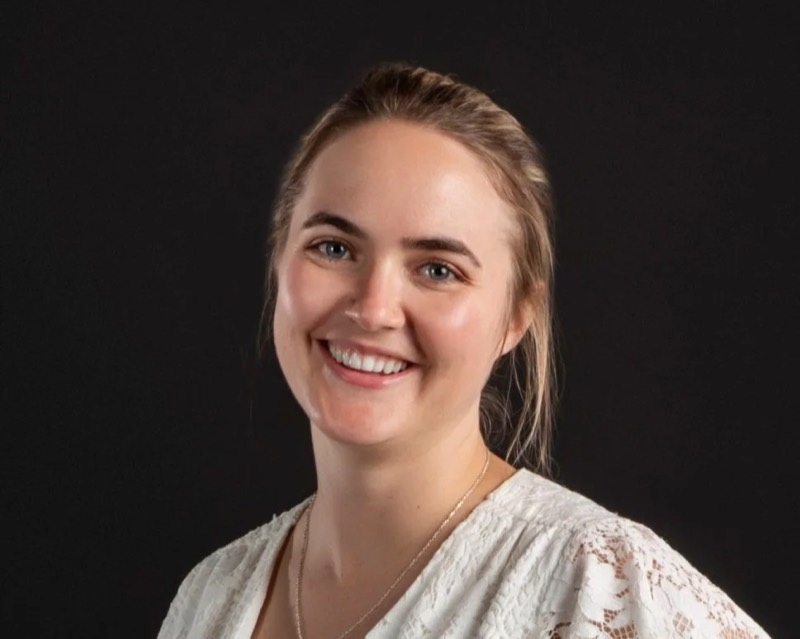
Experienced hands, and the time to actually know you
Casey started Haven because she wanted to work the way she believed OT should be done: with time, with the whole person, and without treating anyone as a referral to move through a caseload.
She's experienced in mental health and autism in adults, and looks at how a diagnosis interacts with your whole life and daily function, working alongside the team you already have. You will never be just another referral on a caseload.
Clear on funding, before you commit
We'd rather be straight with you now than surprise you later.
NDIS
Self-managed and plan-managed plans both welcome. We support psychosocial disability goals, including capacity building and functional capacity assessments.
Medicare
A GP Chronic Disease Management plan typically covers up to 5 sessions per year. We help you make those sessions count.
Private
No referral needed. Start this week and we'll sort out funding questions as we go.
Good questions, honest answers
A psychologist works largely with your mind: your thoughts, feelings and how you make sense of them. An OT works with function and daily life: routines, self-care, sensory needs, getting back to work or study, and how a diagnosis actually plays out in your day. We're glad to work alongside a psychologist you already see.
Yes. We support psychosocial disability goals under the NDIS, including capacity building and functional capacity assessments. Self-managed and plan-managed plans are both welcome.
Not to book the 15-minute call. Whether a formal diagnosis is needed depends on your funding pathway, and we can explain that plainly for your situation.
A structured look at how you manage everyday tasks, including home and living, and where support would make the most difference. People often need one for an NDIS plan or a review.
That's often exactly when it works best. No commute, no waiting room — you meet from your own space and set the lights, sound and camera the way you need them.
We start with goals graded to what you can manage right now, then build routines step by step. Sessions are practical, paced to you, and kept short and structured on low-energy days.
Yes, and we prefer to. With your consent we coordinate with your psychologist, support coordinator or GP so everyone is working in one direction.
Yes. A large part of our adult work is with autistic adults, including women often identified later in life after years of masking, and in autistic burnout and recovery planning.
Book a no-cost 15-minute call with an experienced OT
No cost, no obligation — honest guidance about whether occupational therapy is the right next step for you.
Monday to Friday, 8am–5pm · 0420 443 747